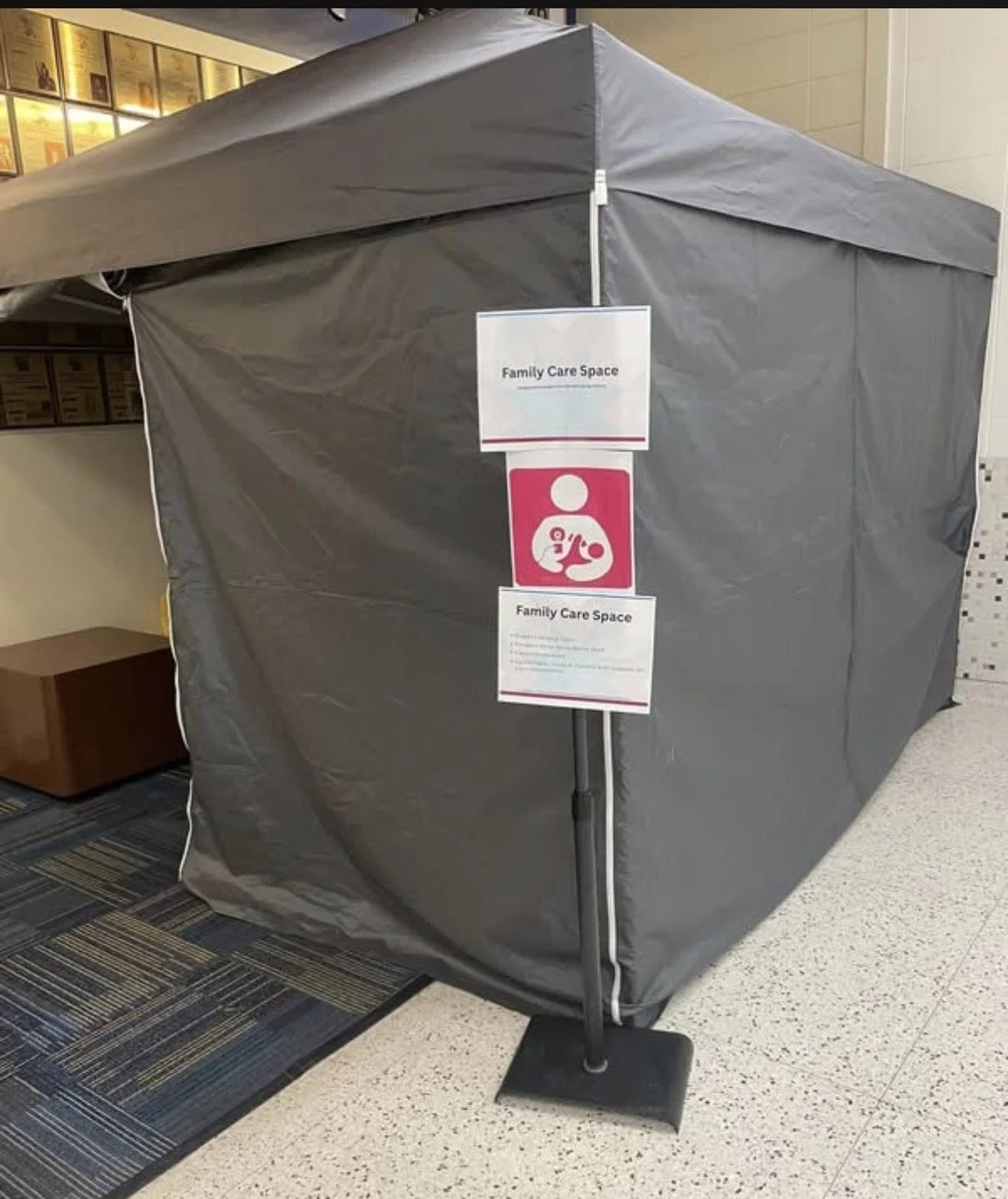
Breastfeeding Support Space
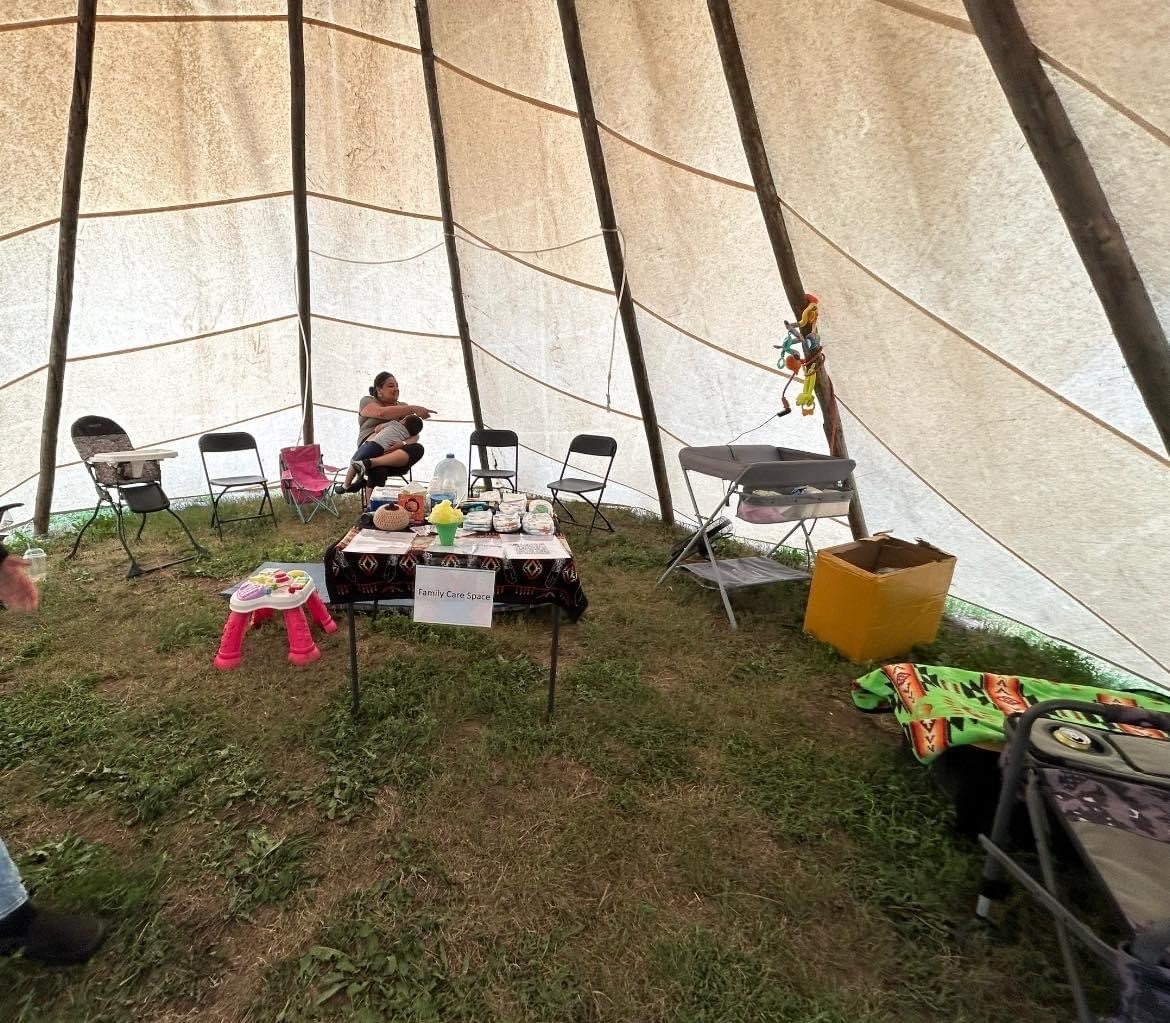
What We Offer
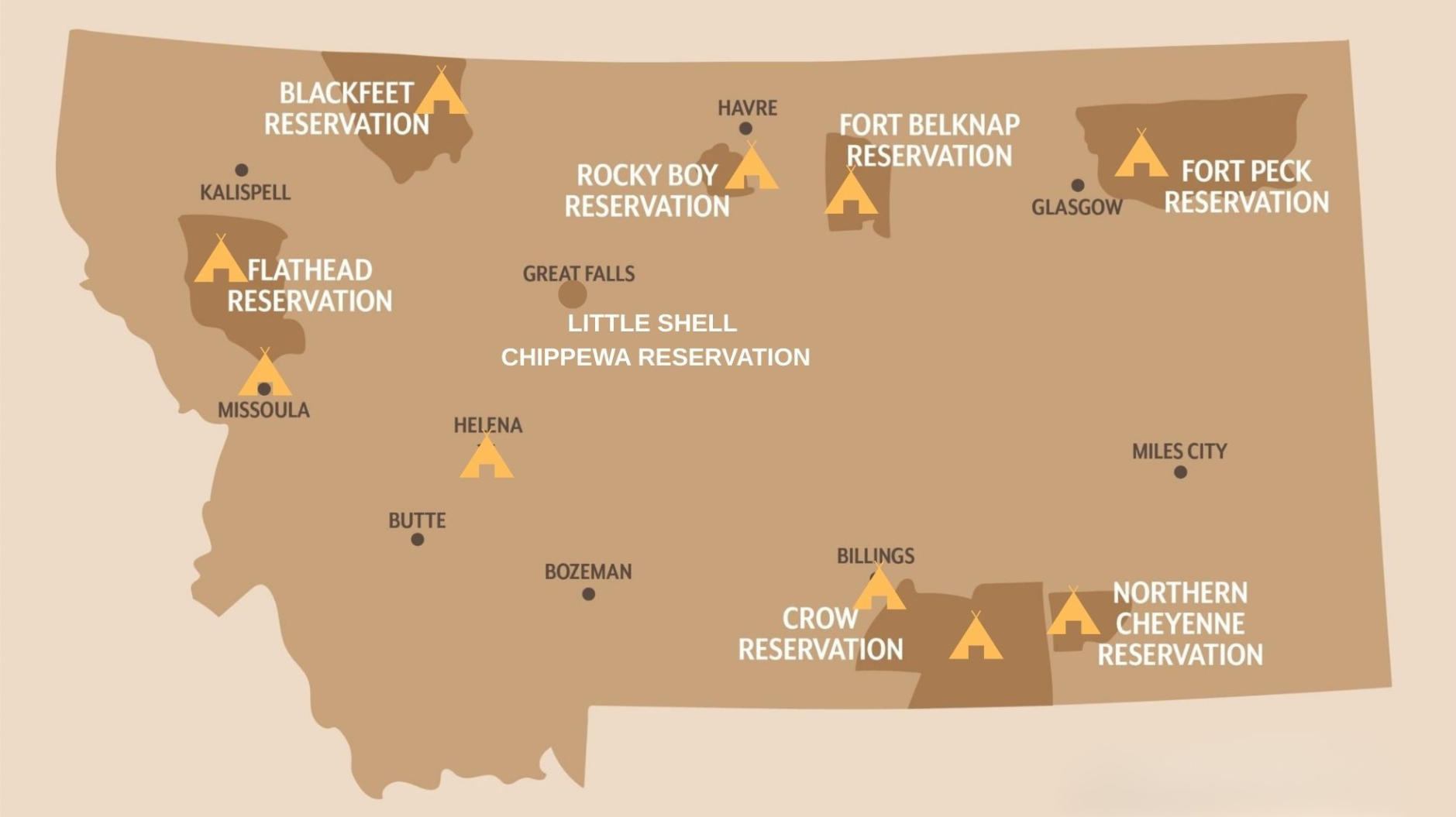
Current Family Care & Support Spaces in Montana
Berry Medicine in partnership with Montana Obstetrics & Maternal Support (MOMS) program, provides ongoing support for the Breastfeeding Support Spaces in Tribal and Urban Communities.
This support includes help with materials and supplies such as diapers, wipes, and the replenishment of worn items to help maintain welcoming, functional spaces for families and caregivers at local events.
Whether you’re setting up a new Breastfeeding Support Space or looking to restock an exiting one, assistance is available.
The Breastfeeding Support Space provides opportunities for:
Intergenerational connection and learning
Honoring motherhood and parenthood as sacred journeys
Support for breastfeeding as a valued cultural tradition
Building community, connection and support
Connecting with local birthworkers, lactation specialists, and support teams
Strengths of Creating A Space
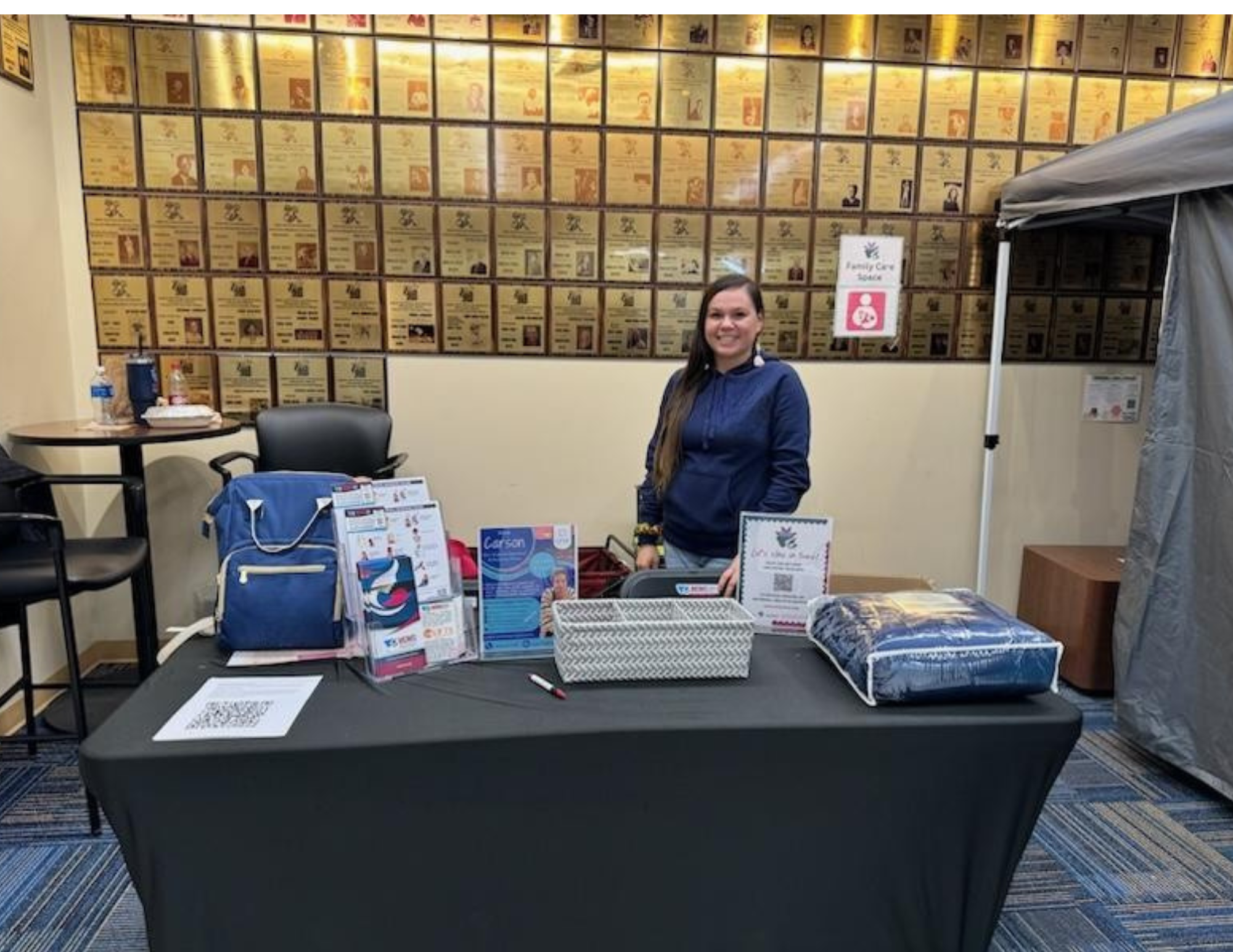
Purpose of Guide for Indigenous Communities:
The purpose of creating this was to establish Breastfeeding Supports Spaces at Indigenous cultural events is rooted in fostering inclusivity, preserving family cultural traditions, and promoting community well-being. Recognizing the significance of family bonds within Indigenous communities, this guide provides helpful recommendations/strategies on implementing and designing a Family Care Space that caters to the unique needs of families during cultural events. By offering practical insight into planning, design, and cultural considerations, this guide seeks to enhance the overall experience for families, ensuring they feel supported and valued. Additionally, this guide emphasizes the importance of community engagement, acknowledging the collaborative effort of Indigenous Community programs and members to ensure the success and sustainability of Breastfeeding Support Spaces. Ultimately this guide serves as a resource to empower Indigenous Communities in creating environments that not only accommodate the diverse needs of families but also honor and celebrate Indigenous family values.
History: Creating Accessible Family Care Spaces at Indigenous Cultural Events
MOMS PROGRAM INFORMATION AND FUNDING DISCLOSURE
This material was originally created with funds in 2024 from the Montana Obstetrics and Maternal Support (MOMS) demonstration project at Billings Clinic with funds supported by the Health Resources and Services Administration (HRSA) of the U.S. Department of Health and Human Services (HHS) This project is funded in whole or in part under a contract with the Montana Department of Public Health and Human Services (DPHHS). The statements herein do not necessarily reflect the opinion of DPHHS or the Montana State Government, HRSA, HHS, or the United States Government.
MOMS is a Health Resources and Services Administration (HRSA) funded maternal health innovations initiative aimed at elevating maternal health as a priority in Montana. MOMS is a collaboration between the Montana Department of Public Health and Human Services (DPHHS), Billings Clinic and the University of Montana’s Rural Institute for Inclusive Communities.
Montana has concerning rates of maternal mortality and severe maternal morbidity. Racial and geographic disparities create siloes in maternal healthcare, negatively impacting outcomes for moms in Montana’s rural and tribal communities. Cultural involvement is a protective factor for Indigenous individuals who experience behavioral health conditions, medical comorbidities, and other structural disparities. By improving access to safe and accessible opportunities for families to participate in cultural events, MOMS hopes to make “The Last Best Place” the first best place to build a family.
AUTHOR: Diona Buck, BS
CONTRIBUTERS: Amy Stiffarm, PhD, MPH; Stephanie Fitch, MHA, MS, LAC, PMH-C; Margaret Anne Adams, BSN, RN; Annie Glover, PhD, MPA, MPH
“The Family Care Space is envisioned to be a sanctuary at cultural events where families, with infants and/or young children, can come into this space to care for their children’s needs while receiving support, compassion, and care in a culturally-relevant manner.”
– Diona Buck
-
![]()
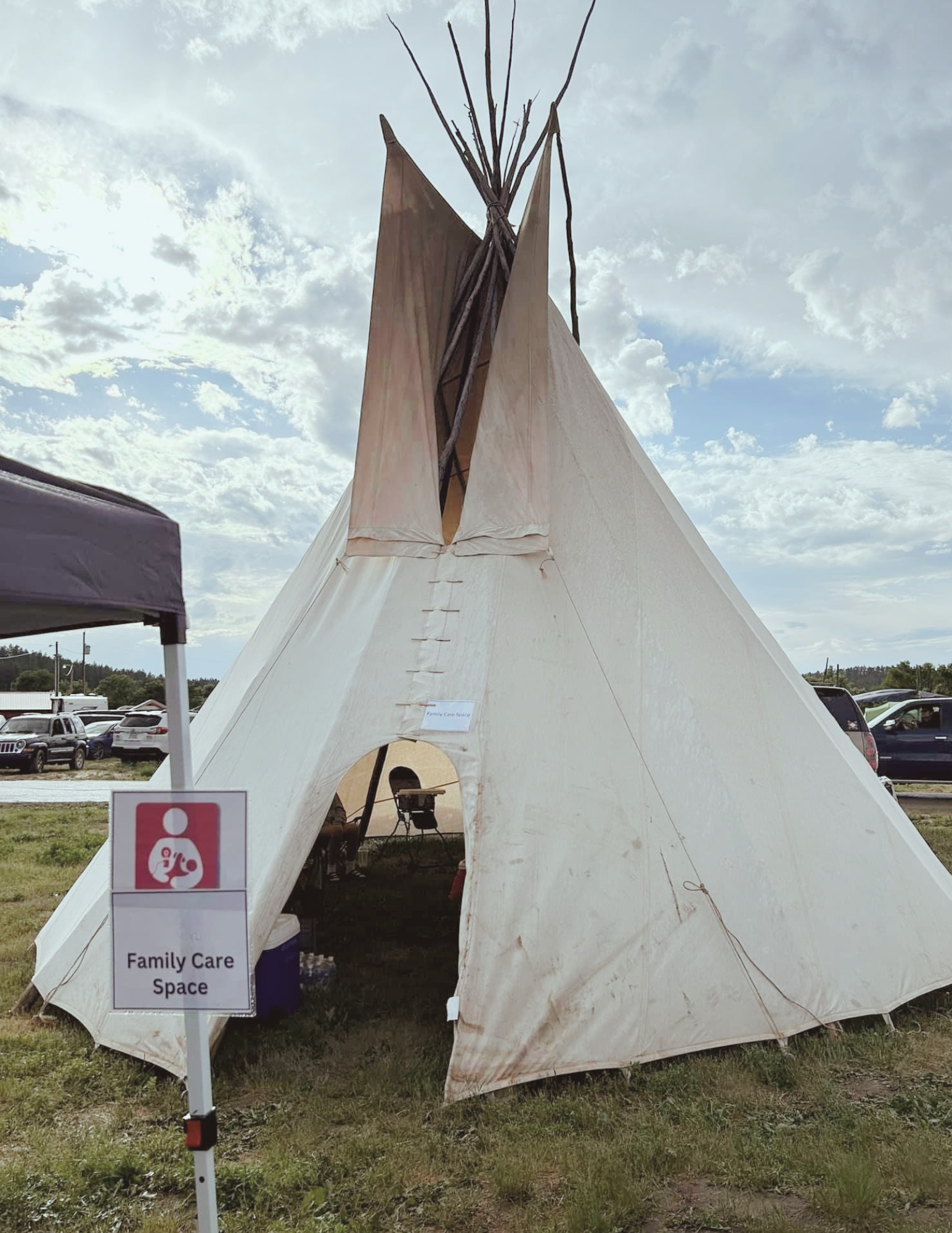
Northern Cheyenne Chiefs Powwow
-
![]()
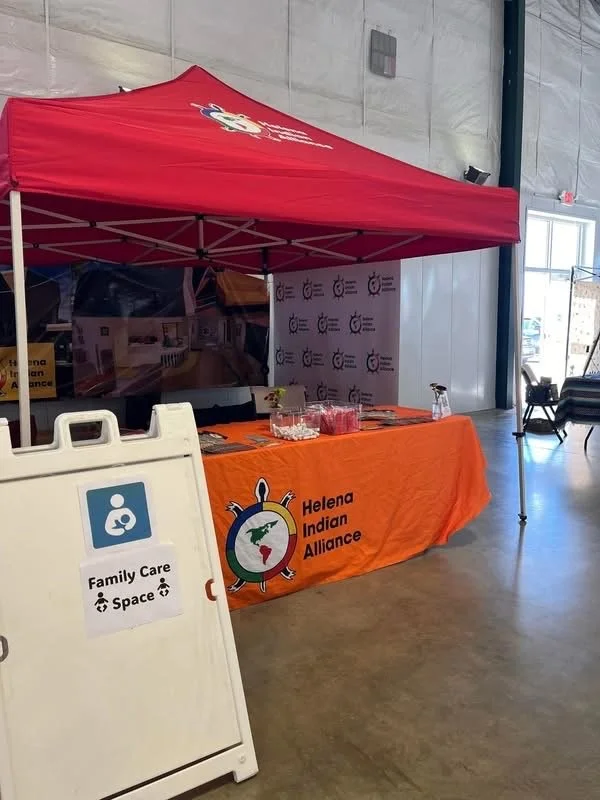
Last Chance Community Powwow 2024
-
![]()
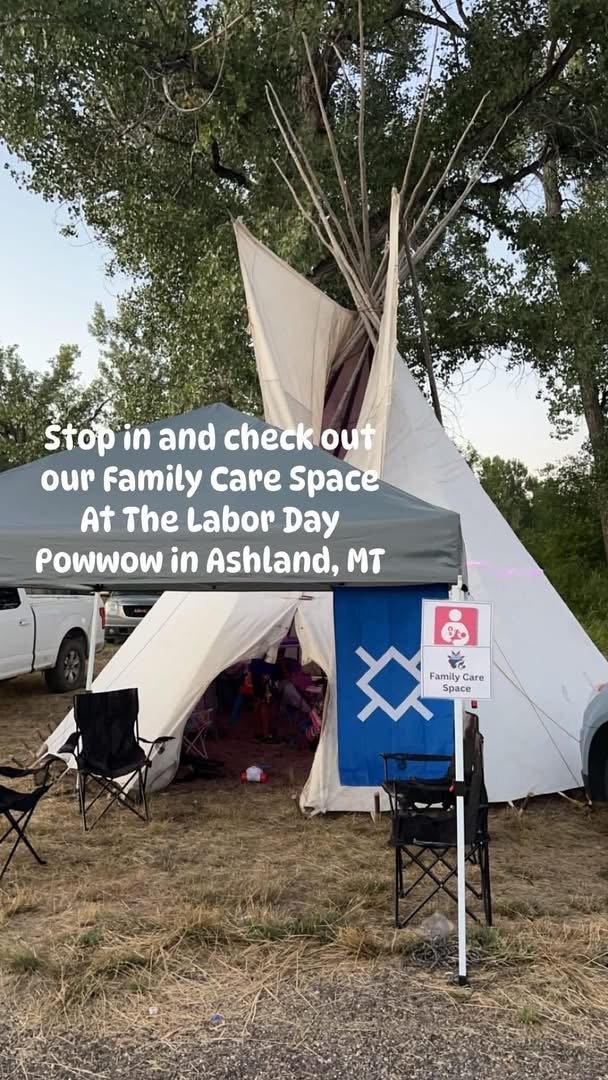
Ashland Labor Day Powwow 2024 photo by TaRae Whistling Elk
-
![]()
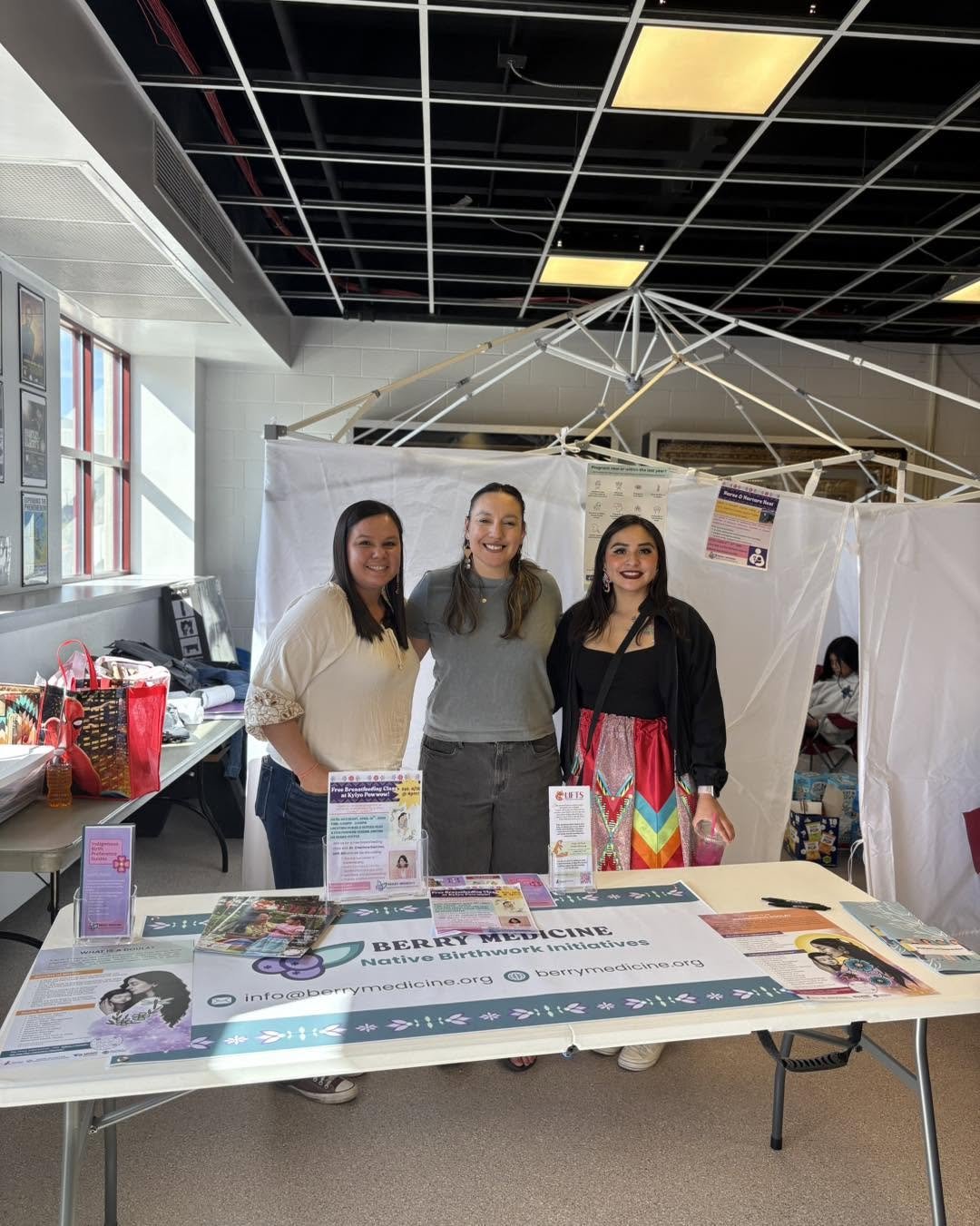
Kyiyo Powwow 2026
-
![]()
MSU Billings Powwow