
Stay Connected. Stay Inspired.
Reciprocity, Gratitude, and the Roots of Berry Medicine
Part Three of The Conversation We Should Be Having: A Berry Medicine series on Native maternal health, community strengths, and changing the systems surrounding Native Birthing Families.
Thanksgiving is a complicated time.
Like many people, I grew up with a version of the Thanksgiving story that left a lot out. The familiar story of Pilgrims and Indians sharing a meal has too often been used to soften or erase the violence, land dispossession, broken agreements, and harmful policies brought onto Indigenous People when this Land was colonized.
More people are questioning that story now, learning the histories that weren't taught to us, and having more honest conversations with their families. A shift that I am glad to see happening. At the same time, many of us use this time as an opportunity to slow down, spend time with the people we love, and express gratitude. That part has always resonated with me as an Indigenous person raised in a Tribal community.
Gratitude isn't something Native people learned from Thanksgiving. Our people have longstanding teachings and practices around gratitude, reciprocity, responsibility, and our relationships with the world around us. Robin Wall Kimmerer writes beautifully about this in Braiding Sweetgrass, where she includes the Haudenosaunee Thanksgiving Address and what it teaches us about our relationships with the living world.
So while Thanksgiving can be a complicated holiday for Indigenous people, at Berry Medicine we're choosing to use this week to lean into gratitude.
And lately, I've been feeling especially grateful for how we got here and the people who helped along the way.
What Access to Care Means for Native Birthing Families
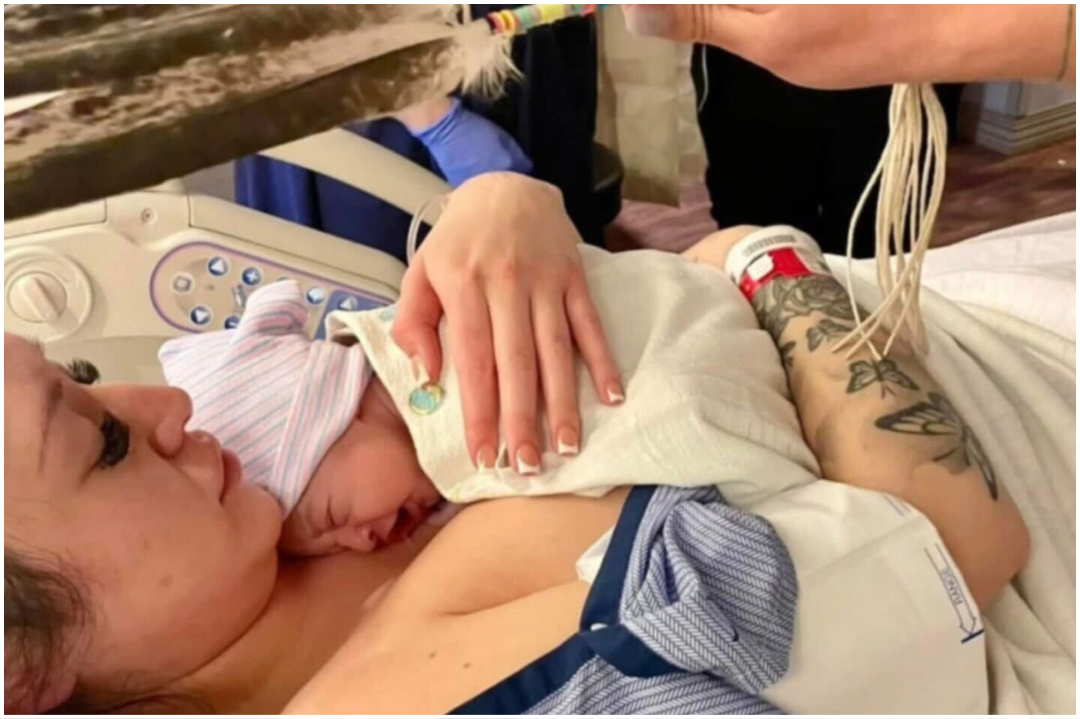
On National Rural Health Day, I want to talk about what “access to care” means for Native Birthing Families in Montana. When we talk about access to maternal health care, we’re not just talking about whether a clinic or hospital exists.
For our families, access means how far away your prenatal appointment is. Whether you have your own transportation or not, or if someone can travel with you. Whether or not you can afford to take that much time off of work, who will watch your other children, and whether the road conditions are safe.
And once you make it to your appointment, whether you will be respected and cared for when you walk through those doors.
The Conversation We Should Be Having
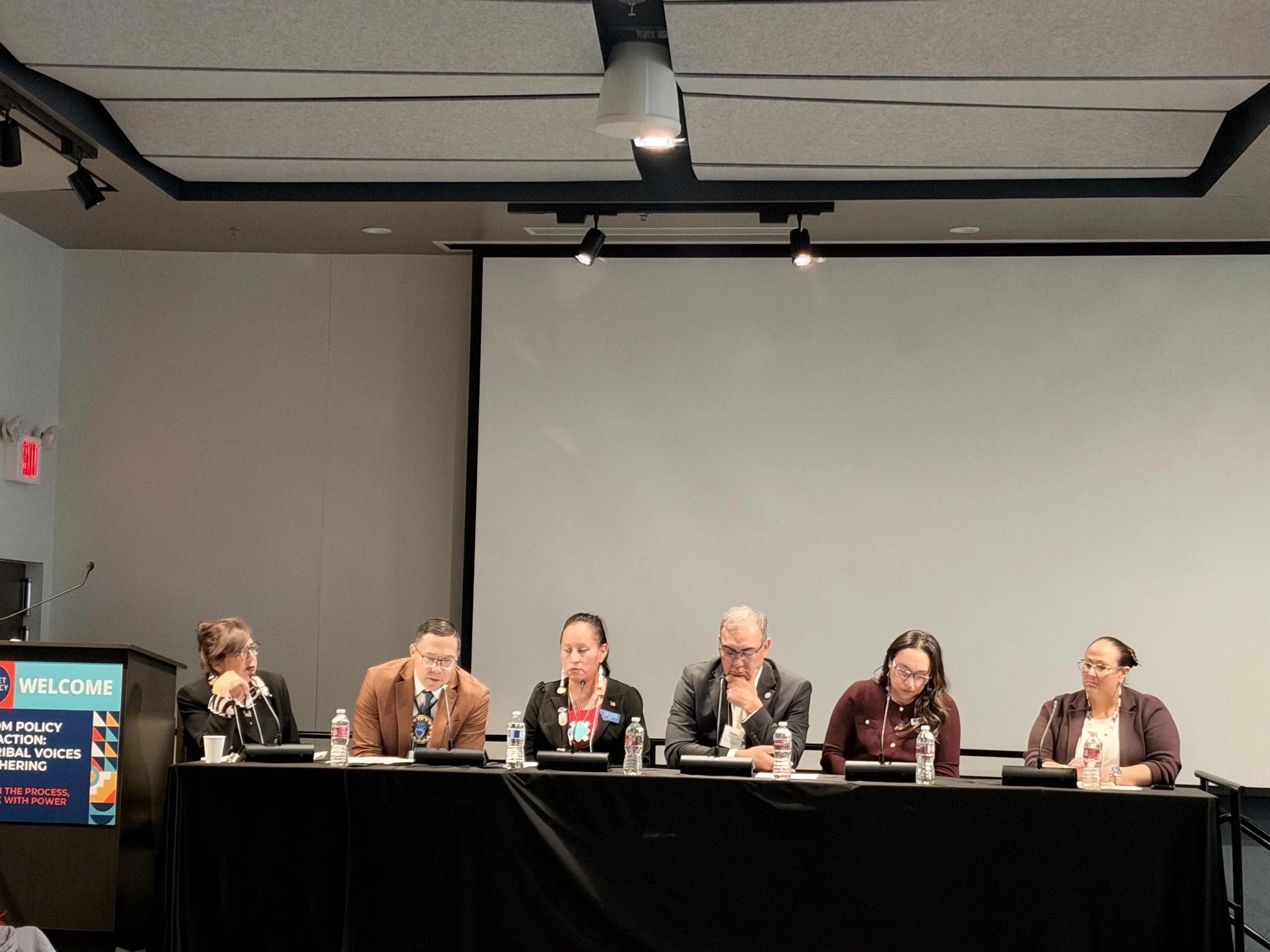
Earlier this week, I had the privilege of attending From Policy to Action: A Tribal Voices Gathering, hosted by the Montana Budget & Policy Center in Helena. The gathering brought together leaders from Tribal Nations, Tribal colleges, state policymakers, and community advocates to discuss the work ahead of Montana’s 2027 legislative session. I was able to speak on a panel with some amazing leaders in Indian Country and share some insights about future investments our state could make related to maternal health that would support the health and well-being of our communities.
While I left the event feeling hopeful, I was reminded of how much of that work goes unrecognized, and how often Native people are left out of the broader public conversation altogether.

Indigenous Peoples’ Day 2026
Happy Indigenous Peoples Day!
As Indigenous Peoples’ Day approaches, we are reflecting on our participation in Montana Nonprofit Association’s Land Acknowledgement during their conference in Helena. They moved beyond acknowledgement and chose Berry Medicine as the Indigenous-led nonprofit to support through a monetary donation. Stemming from this experience, we invite you to reflect on what it means to acknowledge the Land and to turn that acknowledgement into action. Learning about the Indigenous Peoples and history of the Land where you live is an important step toward supporting Indigenous-led work.


‘I’m not ok:’ Mothers come together to discuss America’s postpartum crisis
ABC News Live Featuring Founding Director Dr. Amy Stiffarm


Session Voices: Amy Stiffarm- Birth of a Bill, SB 319
Session Voices: Amy Stiffarm- Birth of a Bill, SB 319

